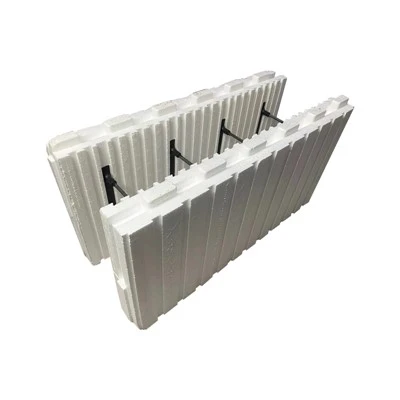
Extruded polystyrene (XPS) board technology has reached 95% technological maturity, meaning it is highly mature and ready for large-scale application. Looking at patent applications, the number surged from 943 in 2012 to 4822 in 2020, indicating a significant increase in technological innovation activities. Although the number of applications declined somewhat from 2020 onwards (e.g., 4476 in 2021), it remains at a high level overall. In terms of the number of academic papers published, while there were fluctuations from 2015 to 2023, the overall number remained relatively stable. Since 2020, the number of papers has shown a clear downward trend, reflecting that basic innovation activities have entered a period of stability.
Current research directions include environmentally friendly foaming processes, such as using CO₂ combined foaming agents to replace Freon, achieving zero ozone layer depletion and reducing costs and energy consumption. Product performance optimization focuses on ultra-low thermal conductivity (λ≤0.028 W/(m·K)), high strength (compressive strength ≥500kPa), and improving the uniformity of cell structure through improved production processes to optimize the relationship between thermal conductivity and compressive strength. Compatibility improvements with supporting materials are also a key focus; for example, modified polymer powder can effectively improve the bonding performance between XPS boards and the bonding mortar in external wall insulation systems, and pure acrylic-based adhesive powder is an excellent polymer powder.